Orchestra Noir Redefines Classical Performance Through 2000s Hits
The all-Black Atlanta ensemble blends orchestral arrangements with choreography and modern production to create a dynamic cultural experience.
By Vanessa Diaz ·
Orchestra Noir, an all-Black orchestra based in Atlanta, has transformed the classical music landscape by performing iconic hits from the 2000s through a unique blend of jazz, blues, and R&B. Founded in 2016 by music director Jason Ikeem Rodgers, the group is currently midway through a 20-city tour titled The Culture 2000s. This tour has brought the ensemble to cities including Jacksonville, Philadelphia, and Washington, D.C., where they recently performed at the Warner Theater.
The organization has grown significantly since its inception. In the early days, the team consisted of only two individuals, with Keisha Rodgers handling all operational tasks, including creating the logo and website. She described that period as wearing every possible hat. Today, the orchestra comprises 23 musicians and a leadership staff of four. Ashley Branch, the current operations manager, joined the team about two years ago to support Keisha, who now serves as president of operations. Branch focuses on managing the logistical details required for each show night.
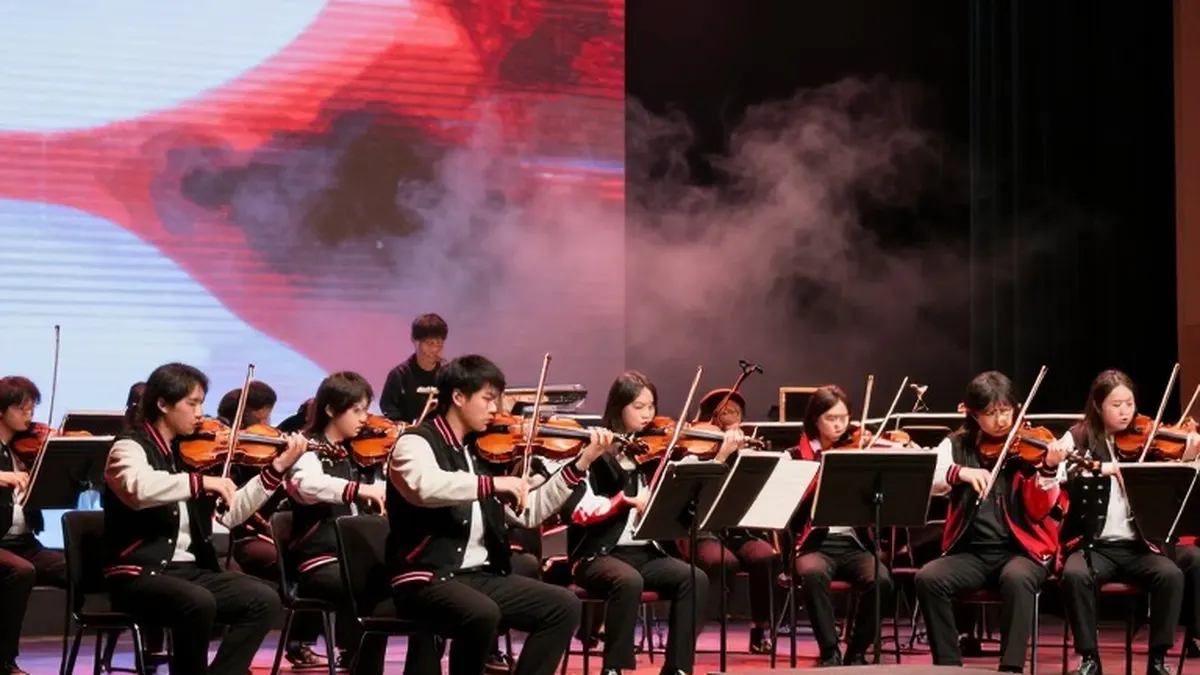
Musicians who have been with the group for multiple tours note that the production scale has expanded considerably. Saxophonist Taj Davis and violinist Nicole Wright, both with the ensemble for three tours, observe that new elements are added to every season. Recent updates include full display screens showing visuals from past performances, fog machines, and integrated choreography. Rodgers explains that the tour theme is driven by his current creative inspirations, with the latest season focusing on the energy of 2000s artists like Rihanna.
The creative process involves a specific approach to arranging music. Rodgers compares developing the orchestration to perfecting a secret sauce. The goal is to arrange songs in a way that remains authentic to the original melody while determining which instruments handle the bass line or harmony. This deep focus on orchestration allows Rodgers to hear hip-hop and R&B tracks primarily as collections of instruments rather than just lyrics.
Preparation for performances is rigorous and begins long before the curtain rises. Wright dedicates two hours daily to individual practice, writing out compositions and analyzing fingerings and lyrics. She finds that this intense focus allows her to connect deeply with the audience during the show. Davis also maintains a strict routine, listening to the repertoire during commutes to catch missed notes. He exercises four to five times a week, including weightlifting and walking, to build the stamina required for performing while dancing.
On performance days, the musicians engage in specific rituals to center themselves. Davis plays long tones on his saxophone to stabilize his breath, while Wright practices musical cues, calls her mother, and selects her stage attire. Both also take time to pray before stepping on stage. Wright notes that this spiritual preparation helps her stay grounded and connected to the moment.
The atmosphere at the Warner Theater was electric as the orchestra took the stage in custom black-and-red letterman jackets. They opened with Usher's 2004 hit 'Yeah,' featuring musicians rushing in from both ends of the stage as smoke rose from the floor. The energy continued to build with Jagged Edge's 'Where the Party at' and Ciara's 'Like a Boy.' During the latter, Wright played a violin solo so intensely that her bow snapped mid-performance.
The night concluded with Lil Boosie's 'Wipe Me Down,' prompting nearly the entire crowd to stand. Following their performance, the musicians walk to the edge of the stage to meet audience members, a tradition that fosters a close connection with their multigenerational fan base. This interaction allows them to share the experience with people who are just discovering Black musicians in orchestral settings.
For Wright, who grew up in Brooklyn, the ensemble bridges the gap between the classical music she practiced at home and the popular music she heard on the street. The group often takes photos and videos with audience members, including parents who want to inspire their children playing string instruments. Wright aims to ensure every audience member leaves with a powerful emotional experience, treating each performance as if it were their last.
The group's ability to make classical music accessible and exciting has turned it into a cultural movement. By combining high-level musical skill with modern production and personal connection, Orchestra Noir is changing perceptions of what an orchestra can be. Their success demonstrates that there is a significant appetite for this unique blend of genres and styles across the country.
More News · National news · Report a business · Got a Story?