GAO Report Reveals ICE Overspent on Detention Warehouses and Empty Beds
A new Government Accountability Office report finds that ICE spent over $1 billion on warehouses, paying up to 388% above assessed value, while incurring monthly costs for thousands of unused beds.
By Jessica Peterson ·
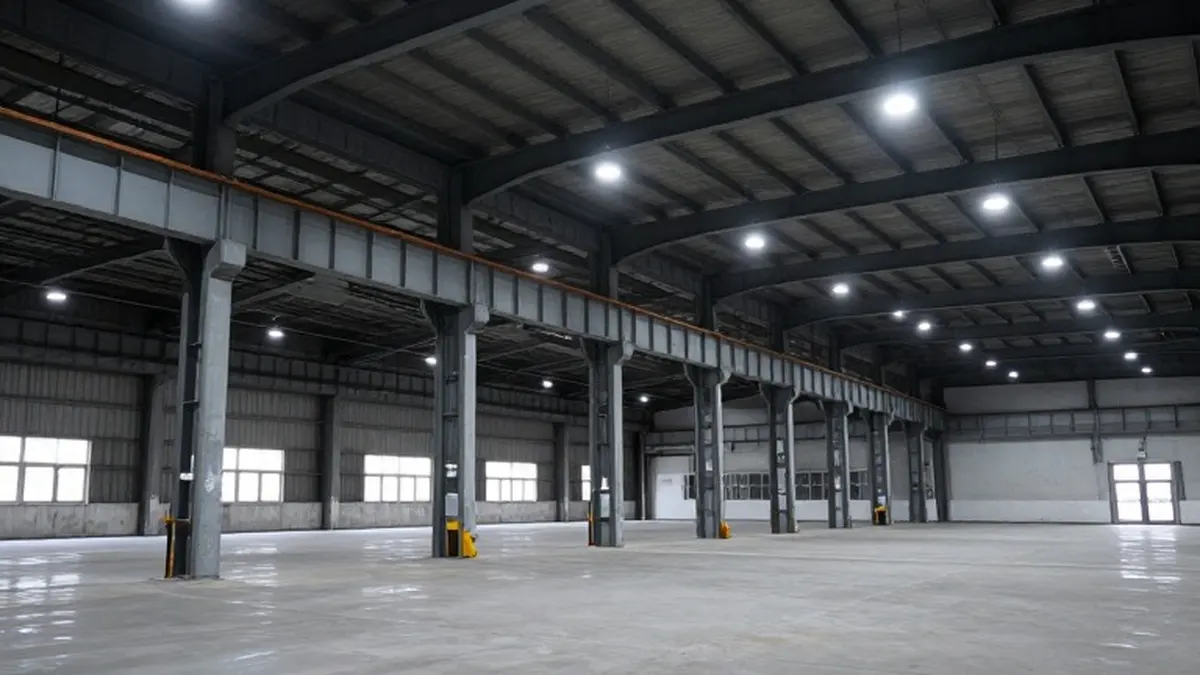
A new report from the Government Accountability Office reveals that U.S. Immigration and Customs Enforcement spent an estimated $13 million per month on empty beds at five recently acquired detention centers. The watchdog agency also found that ICE overpaid by more than 50 percent for nine large warehouse facilities, most of which the agency is currently attempting to sell.
In total, the immigration enforcement agency expended over $1 billion in taxpayer funds on these warehouse properties. The GAO calculated that ICE paid more than double the assessed value for three of the facilities. A particularly striking example occurred in Michigan, where the agency purchased a warehouse for more than $34 million, a price that was 388 percent higher than the property's assessed value.
The initiative to acquire massive empty warehouses began approximately one year ago, with the goal of housing up to 8,000 immigrant detainees in each location. However, the plan quickly faced opposition from local leaders, immigrant advocates, and some members of Congress. In Social Circle, Georgia, town officials filed a lawsuit against a planned facility, arguing that it would overwhelm the local sewage system and lead to dry taps and raw waste spills.
Concerns were also raised by contractors from private prison companies, who expressed worry about housing more than 1,500 detainees in a single location. Following the departure of DHS Secretary Kristi Noem in late March, the agency paused the warehouse plan. According to the report, at least seven of these warehouses are now listed for sale.
The GAO authors described the warehouse initiative as a major investment that was implemented rapidly and is likely to result in significant waste. Despite these findings, ICE responded to the watchdog in a letter agreeing with recommendations to keep spending plans updated and to evaluate the full cost of facilities before purchase. The Department of Homeland Security stated that it remains committed to strengthening the processes and safeguards needed to ensure continual oversight of ICE's financial resources.
The agency faces additional challenges in managing its expanded footprint. While ICE has roughly doubled the number of detention facilities it operates, it is experiencing a shortfall in staff responsible for oversight and management. The report notes that 55 out of 87 such positions are currently vacant, leaving a significant gap in administrative capacity.
Financial inefficiency is also evident in the agency's daily operations. On average, ICE paid for more than 9,000 empty beds per day across facilities with guaranteed-payment agreements. This spending pattern has drawn scrutiny, particularly as the agency seeks to justify its expenditures to lawmakers and the public.
The push for new detention capacity accelerated after the passage of President Donald Trump's large legislative package in July 2025, which allocated $45 billion to the agency through 2029. This funding surge allowed for rapid acquisitions, but it has also intensified questions about the value of the investments made.
ICE has also faced criticism regarding a specific purchase in western Minnesota. Documents obtained by KARE 11 indicate that the agency paid $495 million for a former prison, a year after the owner had offered to sell the same facility to the state for $75 million. This discrepancy has highlighted broader concerns about the agency's procurement practices.
In response to these developments, Democrats on the House Homeland Security Committee sent a letter to the Department of Homeland Security on Friday. They requested documents related to the Minnesota prison sale, seeking further clarification on the decision-making process behind the high-cost acquisition.
More News · National news · Report a business · Got a Story?