Parents Weigh the Value of Screen-Free Kids Landlines
A viral Wi-Fi landline for children is gaining traction as parents seek alternatives to smartphones, though its utility depends on social adoption and subscription costs.
By Kevin Koch ·
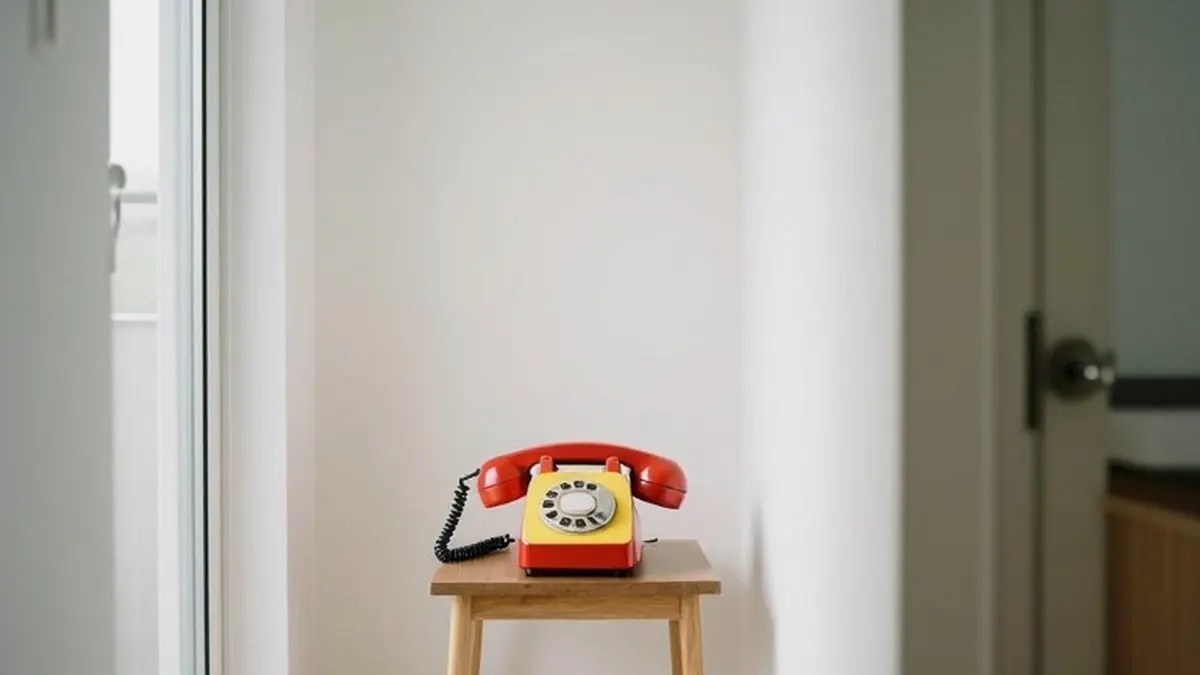
A Wi-Fi landline designed specifically for children has become a focal point for parents seeking to manage their kids' screen time. The device, known as the Tin Can, resembles a classic corded telephone but connects to home internet networks rather than traditional phone lines. Its growing popularity coincides with rising concerns about digital exposure among young children. A study of more than 50,000 U.S. children published in January 2026 found that kids aged 6 to 17 who spent four or more hours daily on screens had 61% higher odds of depression and 45% higher odds of anxiety.
The Tin Can operates without a screen, offering only a handset and buttons. Parents manage the device through a companion app available for iPhone and Android. This interface allows caregivers to curate a specific list of approved contacts, ensuring that only designated family members or friends can initiate or receive calls. The design aims to replicate the simplicity of pre-smartphone communication, preventing children from being distracted by apps, games, or videos.
Pricing for the device starts at $100. Calls between two Tin Can units are free and unlimited without a subscription. However, connecting to standard cell phones or landlines requires the Party Line Plan, which costs $10 per month. Each new phone includes one free month of this plan. While the base device offers a screen-free experience, the monthly fee adds approximately $120 to the annual cost for families who need outside connectivity.
Users report that setup is straightforward, typically taking about 15 minutes to complete. The phone plugs into a standard wall outlet and connects to a 2.4GHz Wi-Fi network. There is no need for a phone jack or traditional landline service. The device also features voicemail and speed dial, which help children practice basic phone etiquette, such as identifying callers and taking messages. Some parents have used the device to teach children how to conduct simple business, such as calling a library to check closing times.
Despite its benefits, the Tin Can has notable limitations. Its effectiveness is closely tied to the number of other families in a child's social circle who own the device. While the subscription plan allows calls to non-Tin Can users, children are generally more likely to communicate with peers who also have the landline. Additionally, because the phone relies on Wi-Fi and wall power, it may not function during power or internet outages, meaning it should not be considered a primary emergency backup. Calling 911 is free and always enabled, but manufacturers recommend having an alternative method for emergency contact.
The market for children's phones includes several alternatives to the Tin Can. Waffle Home offers a screen-free device for ages 5 to 12 that works over Wi-Fi and supports voice notes and caller ID. It also offers a cordless version. The Pinwheel Home Classic is another screen-free landline that connects via Wi-Fi and requires a subscription for calls to outside numbers. MyPhone by Ooma provides a corded, screen-free option with an address-based 911 service that sends text alerts to family members if a child dials for help.
For parents of early elementary school children, these devices offer a middle ground between a smartphone and no phone at all. They allow kids to maintain social connections and practice communication skills without the potential distractions of a tablet or smartphone. While the devices do not eliminate all screen time in the home, they provide a dedicated, low-stakes tool for voice communication.
The appeal of these phones may be age-dependent. As children grow older and their peers adopt devices capable of texting, the interest in a simple voice-only landline may diminish. However, for younger children who are just beginning to navigate social interactions, the Tin Can and similar products offer a practical way to engage with family and friends in a digital age.
More News · National news · Report a business · Got a Story?