FCC approves prison phone jammers despite industry warnings
The Federal Communications Commission has authorized state and local correctional facilities to use jamming technology, a move that drew criticism from wireless groups over potential interference with nearby signals.
By Kevin Koch ·
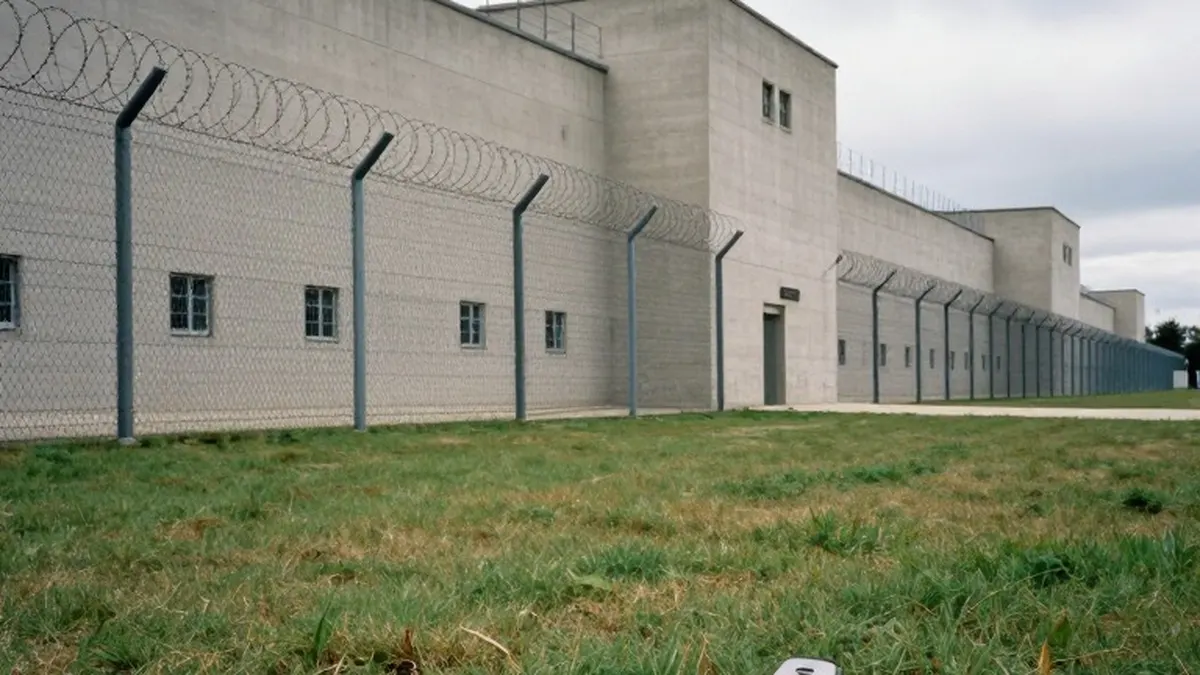
The Federal Communications Commission voted on November 19, 2026, to permit state and local prisons to employ jamming technology designed to block contraband cellphones. The decision marks a significant shift in federal policy, as the agency had previously interpreted the Communications Act to prohibit non-federal entities from using such interference against unauthorized radio communications.
The approval comes despite strong warnings from the wireless industry. The CTIA, a prominent lobby group for the sector, raised concerns that the new jammers would disrupt lawful phone calls in areas surrounding the facilities. These warnings were supported by a recent pilot test conducted by the Virginia Tech Applied Research Corporation in partnership with the South Carolina Department of Corrections.
In a filing submitted to the FCC in October, the CTIA detailed the results of that pilot test. The group noted that the test was limited in scope regarding the number of micro-jammers used, the specific spectrum bands targeted, and the power levels allowed. Even with these constraints, the system managed to block 911 calls and caused interference with public safety communications. The impact on wireless network infrastructure was felt at distances up to two and a half miles from the prison.
The CTIA argued that the pilot results revealed a dual problem with the current technology. The group stated that the system was both overinclusive and underinclusive. It risked blocking legitimate communications while failing to stop a significant portion of the targeted contraband device calls. Specifically, testing in outdoor inmate recreation areas showed failure rates in call completion for contraband devices ranging from one-half to two-thirds of all attempts.
FCC Chairman Brendan Carr addressed the vote during the meeting, declaring that the agency was finally authorizing targeted jamming for state and local prisons and jails for the first time. Carr emphasized that the technology has advanced to a point where it can be focused with geographic precision. He also clarified that no facility would be required to adopt the system, making it an optional tool for correctional institutions.
The legal framework for this change stems from the Communications Act, which generally prohibits willful or malicious interference with licensed radio communications. The FCC had long interpreted this rule to block state and local entities from using jammers on contraband devices. The recent vote creates a specific exception for these correctional facilities, allowing them to use the technology to manage unauthorized phones within their walls.
The agency noted that its jammer prohibitions do not apply to federal agencies. This distinction exists because the federal government's use of spectrum is not regulated by the FCC in the same manner as other entities. Consequently, federal facilities already had different operational guidelines regarding the management of wireless signals within their premises.
The decision is expected to have immediate implications for prison management and local wireless networks. While the technology offers a new tool for reducing contraband, the industry remains vigilant about the potential for signal disruption. The CTIA's data suggests that while the jammers can affect nearby infrastructure, they are not yet perfect in their ability to isolate and block only the intended devices.
Prison administrators will now have the option to install these systems, subject to the guidelines established by the FCC. The agency's approval aims to balance the need for security in correctional facilities with the broader interests of the wireless ecosystem. The outcome of this policy shift will likely be monitored closely as more facilities consider implementing the technology.
The vote concludes a period of debate over how to best manage the proliferation of cellphones in prisons. By allowing state and local entities to use jammers, the FCC provides a legal pathway for facilities to combat the use of unauthorized devices. The industry's continued focus on interference levels will be a key factor in how these systems are deployed and regulated in the coming years.
More News · National news · Report a business · Got a Story?