Qatar pushes UN draft to shield conflict mediators
Qatar is leading a UN initiative to enhance protections for conflict mediators, a move that has prompted concerns in Israel regarding the potential impact on military operations against negotiating parties.
By Jessica Peterson ·
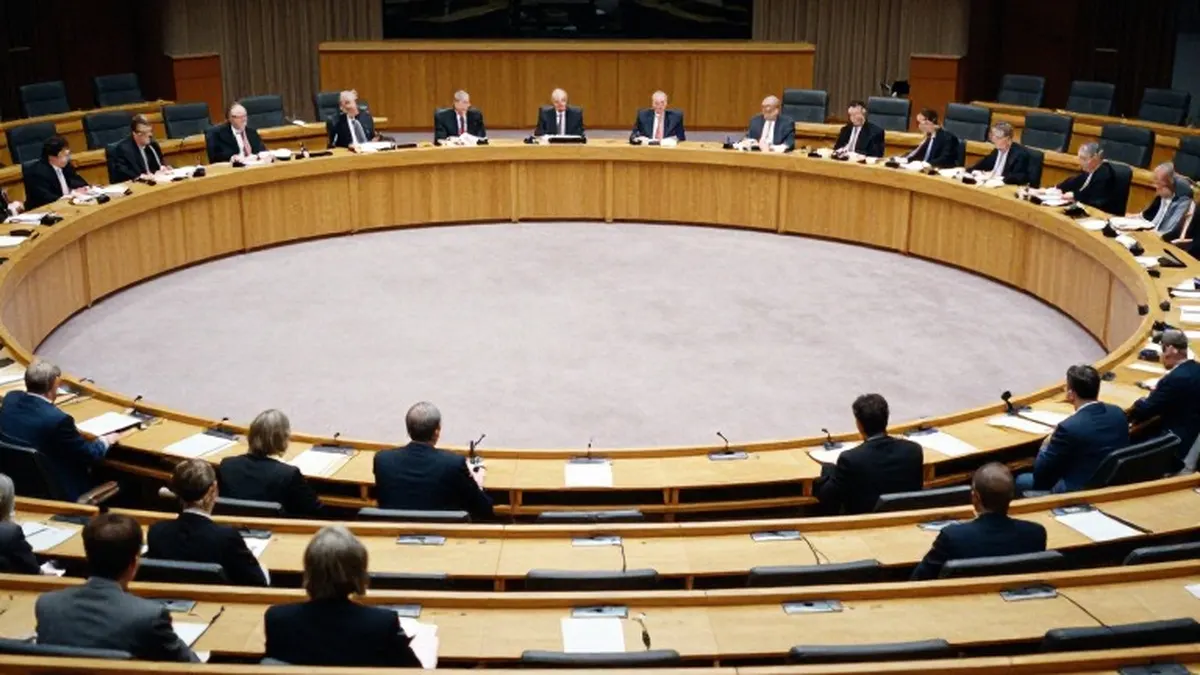
Qatar is actively promoting a new resolution at the United Nations General Assembly aimed at strengthening international protections for mediators, negotiators, and other individuals involved in conflict-resolution efforts. The initiative, which includes protections for those negotiating with armed groups, was reported on Thursday, November 19. The proposal has already undergone an initial round of consultations among member states, though final agreement on its wording is still pending.
The draft resolution seeks to broaden the scope of protection for mediators in armed conflicts. It strongly condemns attacks, threats, and acts of violence targeting mediation teams, support personnel, and civil society representatives engaged in diplomatic efforts. The text calls on UN member states to take specific measures to safeguard these individuals in accordance with their existing obligations under international law.
The proposed framework is designed to apply broadly to international mediation efforts. This includes processes involving armed organizations and other parties engaged in conflicts. By establishing a clearer legal and diplomatic standard, the resolution aims to ensure that participants in peace talks are recognized and protected under international norms.
Israel has raised concerns regarding the potential implications of the draft for its military operations. Although the text does not explicitly mention Israel, Hamas, or previous strikes, Israeli officials worry that the broad language could be used to increase diplomatic pressure on Jerusalem. The central fear is that the resolution could be invoked in future disputes over Israel's ability to conduct military actions against members of terrorist organizations who are simultaneously participating in negotiations.
These concerns are rooted in Qatar's longstanding role in mediating indirect talks between Israel and Hamas. The country has been a key facilitator in negotiations over ceasefire agreements and hostage releases. The current diplomatic move follows significant international scrutiny of Qatar's mediation role, which intensified after events in late 2025.
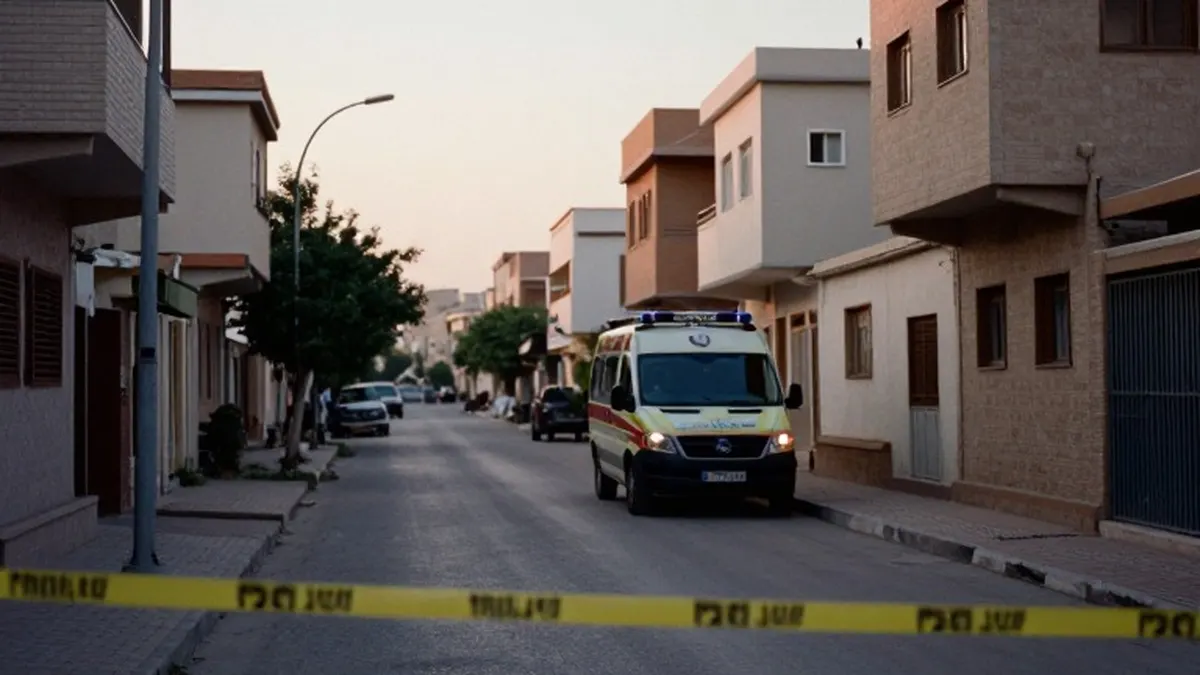
The backdrop for this proposal includes the Israeli strike against Hamas leaders in Doha on September 9, 2025. That operation targeted leaders involved in ongoing negotiations and drew criticism from several international bodies, including the United Nations. The incident renewed debate about the balance between military necessity and diplomatic protection for negotiators.
Beyond the specific protections for individuals, the proposal includes language concerning the right to self-determination for peoples living under colonial rule or foreign occupation. This addition could broaden the diplomatic significance of the resolution, linking the protection of mediators to wider principles of international law and sovereignty.
The draft also places significant emphasis on expanding the involvement of the UN Secretary-General and other United Nations bodies in international mediation processes. By increasing the institutional role of the UN, the resolution seeks to create a more structured and supported environment for conflict resolution. This could lead to greater UN engagement in various global disputes in the future.
Israeli officials are currently examining the legal and diplomatic implications of the proposed resolution. They are monitoring ongoing negotiations among member states to understand how the final text might be interpreted. The key question remains whether the initiative could eventually be used to challenge Israeli military action against operatives who are affiliated with armed organizations but also engaged in mediation.
As of now, the resolution has completed its initial consultation phase but has not yet been adopted by the General Assembly. Qatar continues to seek international support for broader protections covering mediators and participants in armed-conflict negotiations. The final outcome will depend on further discussions and agreements among UN member states in the coming months.