Ukrainian PM in Poland when Russian missiles breached airspace
Ukrainian Prime Minister Serhii Koretskyi was at a Polish airport when Russian missiles and a drone violated the country's airspace, according to new reports.
By Kevin Koch ·
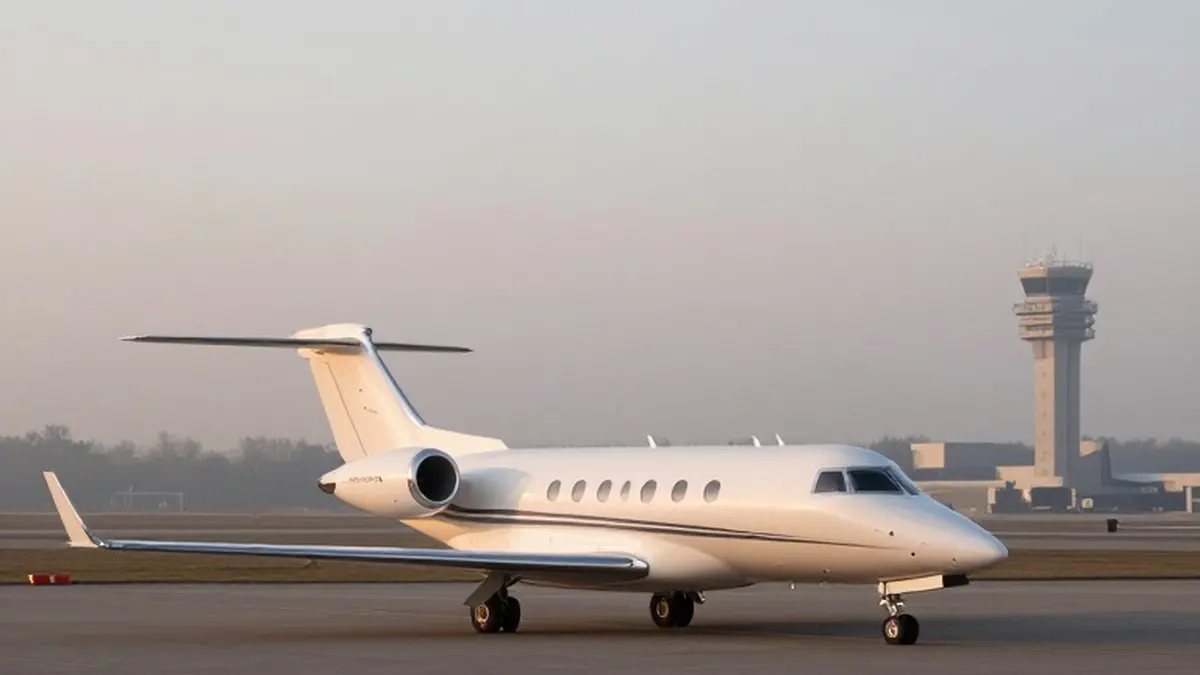
Ukrainian Prime Minister Serhii Koretskyi was present at Rzeszów-Jasionka Airport when Russian military assets violated Polish airspace, according to information obtained by the Polish media outlet TVN24. The incident involved two missiles and a jet-powered drone entering Polish territory while the prime minister was on the ground.
A source close to the Ukrainian prime minister confirmed the details to European Pravda, a sister publication of Ukrainska Pravda. The confirmation came after initial reports emerged regarding the location of the head of the Ukrainian government during the airspace breach.
Poland's air traffic control agency reportedly verified that a Ukrainian aircraft carrying a HEAD status was on the apron at the time of the violation. This specific status is designated for flights transporting senior state officials on official duties. The presence of such an aircraft indicates that high-level diplomatic or state activity was underway at the airport.
The journalist from TVN24 noted that two independent sources corroborated the timeline of events. They stated that Koretskyi had arrived at the airport from Kyiv on the night of the incident. His plan was to depart for Berlin the following morning to hold a meeting with the German chancellor.
Details regarding the prime minister's exact location within the airport complex remain unclear. It has not been determined whether he was already seated on the aircraft or waiting inside the terminal building when the objects crossed the border. The aircraft was scheduled to depart at 07:57, placing the prime minister in Poland during a critical window of the air raid.
The sequence of alerts added to the complexity of the situation. The violation occurred after the first all-clear signal had been issued but before the Polish Government Security Centre released a second air-raid warning. This timing suggests that the threat materialized during a period when initial caution may have been relaxed.
Earlier on the day of the incident, reports indicated that debris from unidentified objects was found at three separate sites. These locations were situated in the Lublin and Podkarpackie voivodeships, which are regions in southeastern Poland near the border with Ukraine.
In response to the airspace violation, Polish Prime Minister Donald Tusk convened an emergency meeting to assess the situation. The government moved quickly to coordinate a response to the unexpected incursion by Russian military hardware.
Polish Defence Minister Władysław Kosiniak-Kamysz also reacted to the event by calling on NATO allies to assist in strengthening Poland's air defenses. The minister's remarks highlight the strategic implications of the breach and the desire for enhanced collective security measures in the region.
The incident underscores the proximity of the conflict to Polish territory and the potential risks faced by diplomatic figures traveling through the area. The confirmation that the Ukrainian prime minister was on the ground provides specific context to the broader regional security concerns raised by the airspace violation.