Apple's 25-Year-Old iPod Still Defined Portable Music
Two decades and five years after its debut, the original iPod remains the benchmark for pocket-sized audio storage.
By Kavya Kapoor ·
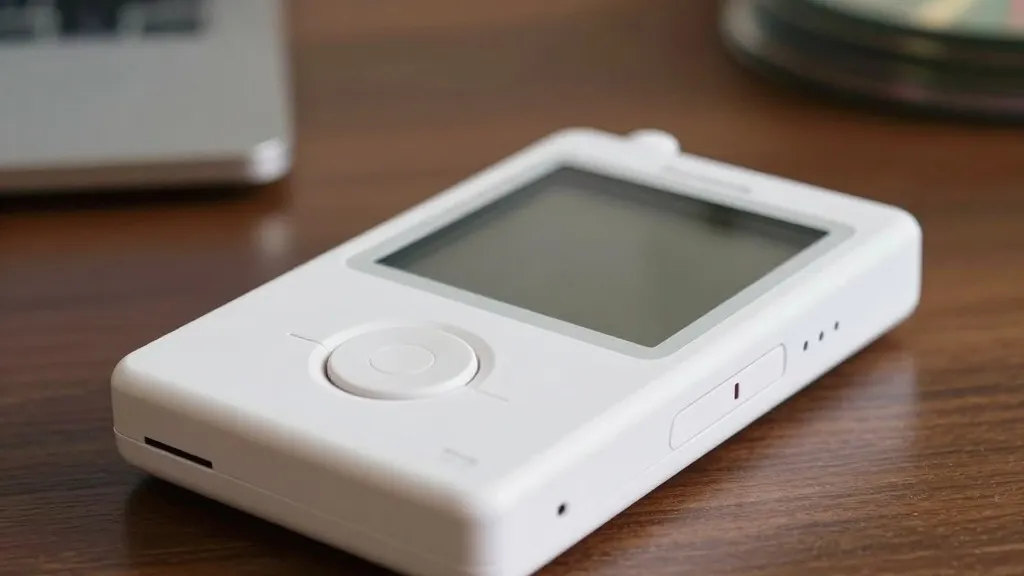
Twenty-five years ago today, the tech world stood on the precipice of a shift that would fundamentally change how people interacted with their favorite songs. While the device that emerged from that presentation is now a relic of the pre-smartphone era, it solved a specific problem that had baffled competitors for years. The tension at the heart of the story was simple: how do you fit a massive library of high-quality audio into something small enough to carry in a pocket without sacrificing performance?
The first key factor in Apple’s success was its aggressive use of new hardware. At the time, the market was crowded with options ranging from CD players to early flash drives, but none had found the right formula. Apple chose to bet on hard disk-based storage, specifically leveraging a newly developed 1.8-inch hard drive from Toshiba. This component was critical because it allowed the device to be thin enough to be useful while still holding enough data to be practical.
This hardware choice enabled the device’s most famous claim: 5GB of storage. In the context of 2001, that capacity meant holding roughly 1,000 songs. For the average listener, that was not just a playlist; it was their entire music collection. The device measured 2.4 by 4 by 0.78 inches and weighed just 6.5 ounces, making it lighter than most cell phones of that period. It was designed to be the size of a deck of cards, a deliberate choice to make it feel like a natural extension of the user's everyday carry.
The second major element was the speed of data transfer, which Apple marketed as a decisive advantage over existing USB solutions. The original iPod featured a FireWire 400 connection, which the company touted as the first and only one on a music player. This allowed users to transfer an entire CD’s worth of MP3 files in as little as five to ten seconds. In contrast, the USB connections available at the time required about five minutes for the same task. Filling the entire 1,000-song library took approximately 10 minutes via FireWire, compared to five hours on a standard USB player.
The third pillar of the device’s appeal was its integration with the Mac ecosystem through iTunes 2. Released simultaneously with the hardware, the software introduced Auto-Sync, a feature that ensured the user’s curated library on their computer was always mirrored on the portable device. This eliminated the manual hassle of organizing files. The interface itself relied on a single-hand-friendly control scheme, featuring a scroll wheel with tactile feedback that allowed for quick navigation by artist, playlist, or song.
The device also included practical features for daily use, such as a rechargeable lithium-polymer battery that provided 10 hours of continuous playback. An empty battery could be recharged to 80 percent in just one hour. The design was minimalist, with a focus on durability and ease of use, aiming to bring Apple’s legendary user experience to a portable format. During the unveiling, the first song demonstrated was 'Building a Mystery' by Sarah McLachlan, a choice that resonated with the pop-music demographic Apple was targeting.
The context of the launch was crucial. In 2001, Apple had just emerged from the dot-com bubble burst, having successfully established its identity with the iMac and iBook. CEO Steve Jobs envisioned the Mac as the hub of the user's digital life, connecting cameras, video, and now music. While the iPod’s dominance was eventually challenged by the iPhone, which launched in 2007, the two devices coexisted for over a decade. The product line continued until the 7th-generation iPod Touch in 2019, though it was not officially discontinued until May 2022. Today, the original iPod stands as a testament to the power of combining hardware innovation with seamless software integration.
Source: Tom's Hardware