NASA’s Artemis Moon Plan Now Requires 22 Starship Flights
A new internal estimate reveals that SpaceX must launch 22 Starship rockets to fuel the lunar lander, significantly raising the logistical burden for this decade’s crewed mission.
By Jessica Peterson ·
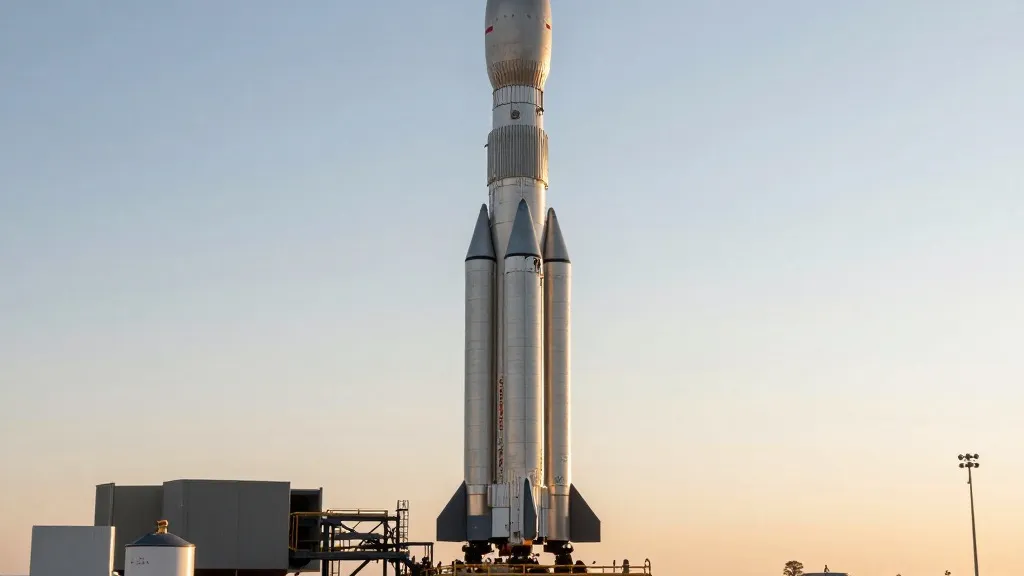
The number of rocket launches required to send humans to the Moon has officially shifted to 22, a figure that underscores the massive logistical scale of NASA’s Artemis program. This specific metric, which calculates the flights needed to fill a lunar lander with fuel in low-Earth orbit, has traditionally been one of the most closely guarded figures within the agency. While NASA does not possess nuclear weapons, the secrecy surrounding this launch count has been comparable to protecting top-tier defense codes, with officials often citing uncertainty to avoid committing to a precise number. The recent revelation that 22 flights are necessary represents a significant departure from earlier, more optimistic projections and highlights the persistent challenges facing the program’s timeline.
The path to this number has been marked by shifting estimates and cautious communication from agency leadership. For years, the general stance from NASA officials was that the exact figure was too fluid to disclose. In 2023, Lisa Watson-Morgan, who served as the director of the Human Landing System, expressed reluctance to provide a definitive answer when pressed by journalists. She noted that while the agency had a general understanding of the requirements, she was hesitant to state exactly what that number was, acknowledging the complexity of the logistics involved in assembling a spacecraft capable of reaching the lunar surface.
Following that initial hesitation, Watson-Morgan provided a broader range, describing the requirement as falling between the high single digits and the low double digits. This estimate suggested that approximately a dozen launches might be sufficient. Under that scenario, SpaceX would have needed to deploy one "depot" Starship to serve as a fuel storage station, followed by 11 "tanker" Starships to transfer liquid oxygen and methane propellant. While a dozen flights is a substantial undertaking, it remained a feasible target for the rapid cadence SpaceX has demonstrated with its Falcon 9 rockets, though Starship’s larger size and newer status introduced additional variables.
Other officials within the ecosystem had previously offered even higher estimates, with some citing figures in the high teens. These variations reflected the ongoing hope that SpaceX could dramatically improve the lift capacity of the Starship vehicle. If the rocket’s performance were to exceed current benchmarks, the number of tanker flights required to fuel the depot would decrease, potentially lowering the total launch count. However, the recent shift to 22 indicates that these improvements may not be materializing quickly enough to support the current timeline for returning humans to the Moon.
The update to the launch requirement emerged during the quarterly meeting of the NASA Aerospace Safety Advisory Panel held on Thursday. Panel member Charlie Precourt, a former NASA astronaut, addressed the gathering to discuss the various risks associated with the Artemis program. His presentation included an analysis of the logistical and safety challenges inherent in landing humans on the lunar surface, providing a platform for the disclosure of the new 22-launch estimate. This forum allowed for a candid discussion of the program's vulnerabilities and the dependencies on private sector performance.
The increase in the required number of flights raises concerns among some NASA officials regarding the feasibility of using Starship for a crewed lunar landing within this decade. The primary worry is that the improvements in Starship’s lift capacity are not occurring at the rate necessary to reduce the tanker flight count. If the rocket cannot carry significantly more propellant per launch, the total number of missions required to assemble the fuel depot will remain high, straining the launch schedule and increasing the operational complexity of the mission. This timing issue is critical as NASA looks to execute its goals for the Artemis program in the near term.
The logistics of the mission involve a complex ballet of launches from Earth to low-Earth orbit. A dedicated "depot" Starship is launched first to establish a platform for propellant storage. Subsequent "tanker" Starships then arrive to offload their liquid oxygen and methane cargoes into this depot. Once the depot is fully fueled, it can transfer the necessary propellant to the actual lunar lander, which then departs for the Moon. The accuracy of the 22-launch estimate is crucial for planning the mission architecture, as it determines the total number of hardware units, launch windows, and support operations required to make the mission successful.
As the program moves forward, the focus will shift to validating these new estimates and addressing the underlying performance assumptions. The agency and its contractor must now account for the higher launch volume in their planning and risk assessments. The disclosure of the 22-flight figure marks a new baseline for the Artemis program, replacing previous ranges with a more concrete, albeit higher, target. This development serves as a clear indicator of the technical hurdles that remain in the path of a crewed lunar landing and the extent to which the program depends on the continued evolution of the Starship system.
The next phase of the program will involve monitoring Starship’s progress in achieving the necessary lift improvements. If SpaceX can enhance the vehicle’s capacity, the number of tanker flights may decrease, aligning more closely with the original optimistic projections. However, until such improvements are confirmed, the 22-launch scenario remains the working estimate for NASA’s planners. This figure will guide the allocation of resources and the scheduling of missions in the coming years, ensuring that the agency is prepared for the logistical demands of returning humanity to the lunar surface.