African Leaders Demand Tangible Climate Finance at COP31
African nations are urging global negotiators to bridge the gap between climate pledges and actual funding to support adaptation and development on the continent.
By Vanessa Diaz ·
For millions of people across Africa, climate change has moved beyond abstract debates in conference halls to become a defining force in daily life. In Harare, Zimbabwe, resident Tsitsi Moyo notes that extreme heat waves are increasingly disrupting rainfall patterns. Similarly, Jane Okello in Uganda has observed erratic weather conditions, including periods of heavy rainfall linked to El Nino. These local experiences highlight a broader trend where communities relying on predictable seasons for agriculture and water are struggling to plan for the future as weather patterns become more extreme.
The impacts extend beyond disrupted harvests and shrinking water supplies to influence migration patterns. Professor Alfred Ngomanda, Permanent Secretary of the Gabon Climate Council, explained that environmental stress often pushes people to leave their homes in search of better livelihoods. While climate change is rarely the sole cause of migration, factors such as droughts, floods, and declining agricultural output intensify existing economic and social challenges, making displacement more likely.
As African countries prepare for negotiations, Ngomanda emphasized the need to highlight the global importance of the continent's natural resources. He stated that the delegation would assert in Ethiopia that the Congo Basin serves as a stabilizing element for the global climate, benefiting the world and not just Africans. This argument forms part of a larger push to secure adequate resources to turn climate commitments into reality.
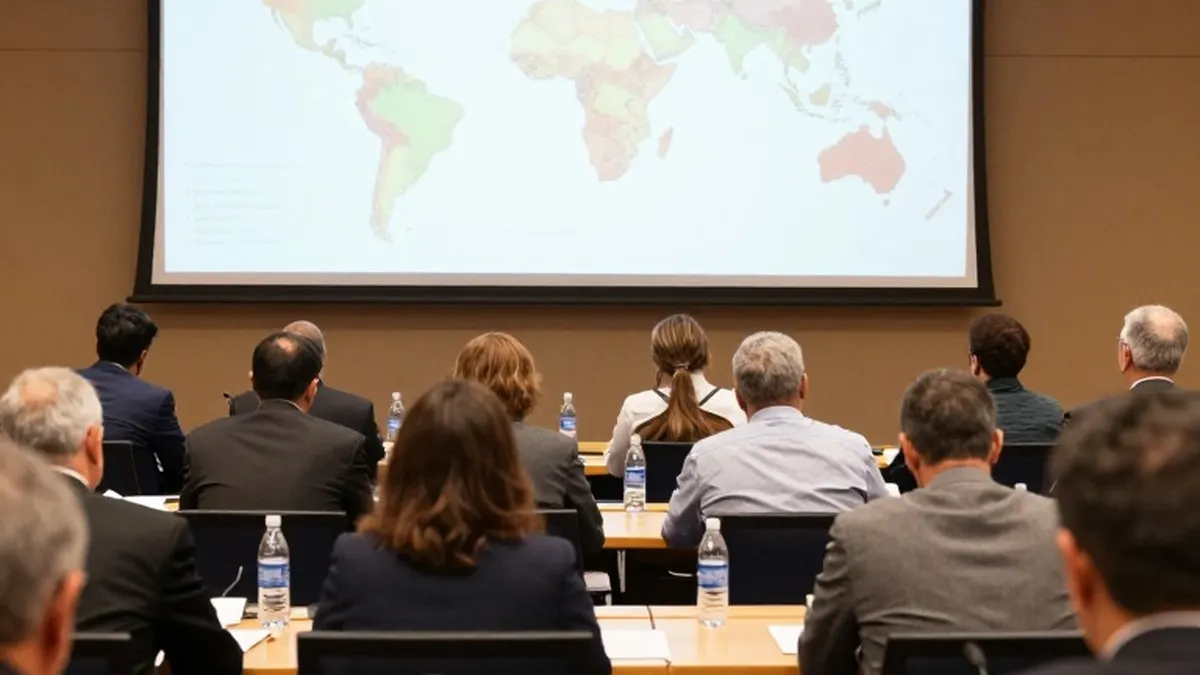
Climate finance sits at the center of the COP31 discussions. The Conference of the Parties to the United Nations Framework Convention on Climate Change brings governments together to negotiate actions based on the 2015 Paris Agreement, which aims to keep global warming well below 2 degrees Celsius. UN Secretary-General Antonio Guterres opened the conference by describing a fundamental injustice, noting that developing countries bear the brunt of climate change while struggling to access the finance they urgently need.
The financial gap remains significant. The United Nations Economic Commission for Africa reported that the continent received approximately $52 billion in climate finance in 2022, far below its estimated annual requirement of $190 billion. Much of this funding is provided as loans, adding pressure to public finances. This shortfall is particularly stark given that Africa contributes only about 4% of global greenhouse gas emissions yet remains one of the most vulnerable regions to climate impacts.
African governments are calling for funding that is more predictable, accessible, and affordable. Veronica Nonhlanhla Jakarasi, the lead negotiator for the African Group of Negotiators, argued on November 19 that the continent needs a dedicated mechanism to translate proposals into funded projects. She advocated for a mitigation implementation facility that would direct more resources to Africa while supporting economic growth, green industrialization, and the development of the critical minerals sector without increasing emissions.
Negotiations remain challenging. A revised draft of the COP31 agreement circulated on November 19 removed references to phasing out fossil fuels and dropped a proposed annual adaptation finance target of $120 billion. Although the text is not final, these changes underscore the ongoing political and financial battles shaping international climate action.
Ultimately, the success of COP31 will be measured by tangible outcomes far from the conference venue. Climate finance can support drought-resistant farming, improved water management, early warning networks, and resilient infrastructure. However, pledges alone are insufficient. Countries must access the money, implement projects effectively, and ensure that support reaches the communities that need it most.